GUIDE / BIOLOGY
Peptides 101: Medicine, Hype, and the Research Chemical Market

FIG. 1 · 1955-12-10 · CC0 1.0
Safety at a Glance
Peptides: insulin and BPC-157
A lecture about a hormone
On December 12, 1955, Vincent du Vigneaud gave a Nobel lecture tracing his research from insulin to oxytocin. He identified oxytocin as the hormone whose synthesis had been recognised in the Nobel citation, and described its role in uterine contraction and milk ejection HIST-P01.
He presented that research as a path that became clear in retrospect, pursued with students and postdoctoral colleagues and supported by several kinds of institutions HIST-P01. The lecture offers a concrete example of mid-century hormone chemistry: researchers were learning to understand biologically active molecules and build them in the laboratory.
That chain-of-units idea is what the word "peptide" describes. Today it covers molecules ranging from established medicines to products sold online with little more than a chemical name and a promise. This guide explains what peptides are, how some became well-documented medicines, and why a chemical label alone cannot tell you whether a particular product works or is safe.
What is a peptide?
Proteins and peptides are built from amino acids, small molecules that can link together. Peptide bonds are the chemical links between these units. The National Human Genome Research Institute describes peptides as typically short chains, with longer chains called polypeptides; proteins contain one or more polypeptides SCI-P01.
Two points are worth keeping in mind:
- Length categories are conventions. NHGRI gives a typical range of 2–50 amino acids for a peptide; terminology is not a universal boundary. It does not separate safe from unsafe, legal from illegal, or medicine from supplement.
- Shape matters. Many amino-acid chains adopt shapes that help determine their biological activity. Two peptides with similar names can behave very differently.
So when a product is described as "a peptide," that tells you what kind of molecule it is made of. It tells you nothing yet about what it does, whether it works, or how safe it is.
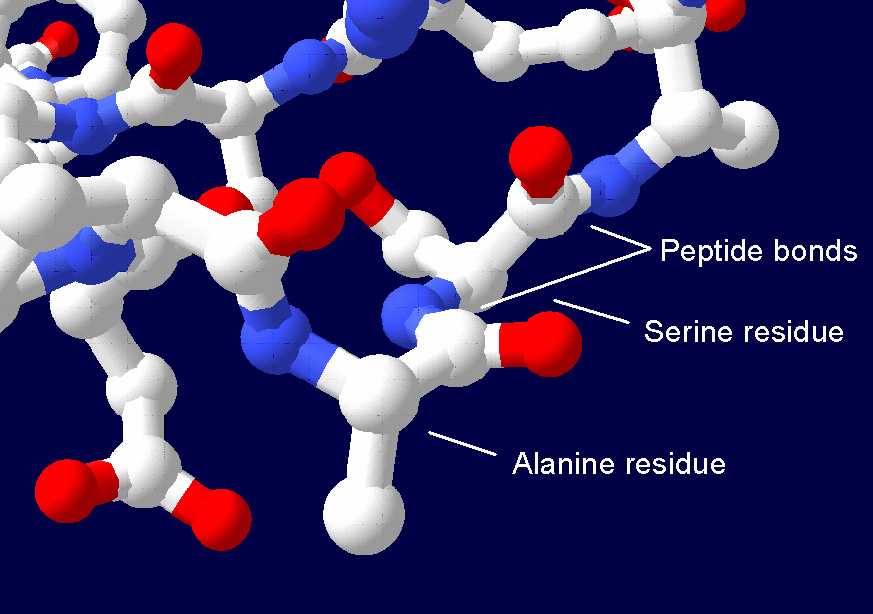
FIG. 2 · 2006 OR EARLIER · PUBLIC DOMAIN
Signals, and why peptides are hard to deliver
Many peptides in the body act as signals, messengers that carry instructions from one place to another. Hormones such as insulin and oxytocin are examples. Many peptide medicines work by acting on receptors, molecular receiving sites, often on the outside of cells. A 2022 review of therapeutic peptides notes that most peptides in clinical development target such external receptors SCI-P02.
The same review describes two common obstacles for peptide drugs SCI-P02:
- Getting into cells: peptides generally cross cell membranes poorly, which limits what they can reach inside cells.
- Staying intact: the bonds holding peptides together can be broken down by the body's enzymes, so many natural peptides are unstable and short-lived in the body.
These are general challenges, not universal rules. Researchers have developed many ways to modify peptides and deliver them, and the review describes these as part of the field's progress SCI-P02. The practical lesson is that a peptide medicine is not just a molecule. It is a molecule plus a formulation, a delivery method and a manufacturing process, and all of these affect what reaches the body.
What a documented medicine looks like
Insulin provides a useful example of a well-documented peptide-based medicine. Rather than talk about "insulin" in general, this guide looks at one specific product: HUMULIN R U-100 (insulin human), made by Eli Lilly and Company.
Its U.S. label, published on the National Library of Medicine's DailyMed site, spells out a great deal LABEL-P01:
- What it is for: to improve blood-sugar control in adults and children with diabetes.
- How it works: insulin lowers blood glucose by stimulating glucose uptake, especially by muscle and fat, and by reducing glucose production in the liver.
- How it is made: the insulin is produced by recombinant DNA technology using a non-pathogenic laboratory strain of E. coli bacteria. In other words, microbes are engineered to make the human hormone.
- What can go wrong: the label sets out contraindications, warnings and interactions, from low blood sugar to allergic reactions and low potassium (see the safety section below).
- Its legal status: the label's product information lists it as a human OTC (over-the-counter) drug, marketed under a Biologics License Application, with no DEA controlled-substance schedule.
That last point shows why precision matters. It describes this product, as listed. It does not mean every insulin is available the same way, and it says nothing about how any particular pharmacy or state handles it. What makes HUMULIN R a documented medicine is not that it is a peptide. It is that a specific, defined product has a regulatory file, a stated use, a described manufacturing process and a detailed public account of its risks.
A case study in uncertainty: BPC-157
Consider BPC-157, a 15-amino-acid peptide discussed in an FDA staff evaluation. The May 2026 evaluation described products marketed as capsules, sprays and injections, and reported that none containing BPC-157 was approved in any country at that time EVID-P01.
What FDA's scientists found
In May 2026, FDA staff evaluated BPC-157 for a July meeting of the agency's Pharmacy Compounding Advisory Committee. The question was whether pharmacies should be able to use it as an ingredient in compounded drugs EVID-P01. The briefing's cover page is clear that it is background for the committee's advice, not a final FDA decision EVID-P01.
The staff reviewed the use proposed by the nominators, a form of inflammatory bowel disease called ulcerative colitis. They found a single small trial, available only as a meeting abstract that lacked key details, and judged it inadequate to support either effectiveness or safety. They found no studies of oral, subcutaneous, nasal or transdermal administration in that condition EVID-P01. Animal studies had reported protective effects in rats. But the staff noted that the molecular targets had not been identified, the mechanisms remained poorly understood, and the safety data were too limited, especially for long-term use EVID-P01.
The staff also raised a quality concern. Peptides like BPC-157, particularly when injected or sprayed into the nose, may provoke unwanted immune responses, a risk that can be worsened by impurities or by peptide molecules clumping together. Neither form of BPC-157 was considered well characterised chemically EVID-P01. FDA had received some adverse-event reports mentioning BPC-157, but could not tell whether BPC-157 caused them EVID-P01. On balance, the staff recommended against adding BPC-157 to the list of substances pharmacies may use in compounding EVID-P01.
None of this means no human has ever been given BPC-157. The briefing itself describes small studies by one route. It means that, for the uses and routes reviewed, the evidence was too thin to show benefit or to characterise safety.
What happened next
The current safety-risk page and the later policy document answer different questions. FDA's page on bulk substances that may present significant safety risks now lists BPC-157 among substances "nominated but withdrawn." It repeats the agency's concern about possible immune reactions and impurities, and says it lacks enough safety information to know whether the drug would cause harm when given to humans REG-P02.
On October 30, 2026, HHS published a notice in the Federal Register announcing a draft "Enforcement Discretion Policy" for compounding with certain peptides. Under it, HHS says it does not intend to take enforcement action against state-licensed pharmacies, federal facilities or licensed physicians compounding with the listed peptides, while FDA develops the official list through future rulemaking. HHS framed this as a way "to expand and improve patient access," said it may revisit the policy if a safety signal or quality problem arises, and stated that the policy "is not binding on HHS or the public" REG-P03.
The accompanying policy lists six substances in Appendix A; Appendix B specifies BPC-157 acetate for this case. It sets conditions including patient-specific prescriptions, defined identity and routes, a registered original manufacturer, testing certificates, reporting, labelling and single-ingredient products REG-P04. It also records that FDA's drug centre opposed listing BPC-157 while the advisory committee gave more favourable advice. HHS explains its own decision by reference to newer information REG-P04. That rationale is HHS's. The supporting studies and certificates it relies on have not been independently examined for this guide.
It is worth being exact about what this sequence does and does not mean:
| Step | Who | What it is | What it is not |
|---|---|---|---|
| May 2026 evaluation | FDA staff | Scientific assessment for an advisory committee | A final FDA decision |
| July 2026 meeting | Advisory committee | Advice to FDA | A regulation or approval |
| October 30, 2026 policy | HHS | Draft, interim, nonbinding enforcement discretion for compounding under conditions | FDA approval, proof of effectiveness, or a final rule |
These steps do not make BPC-157 an approved drug or, by themselves, establish therapeutic benefit.
Three product channels
The BPC-157 story makes more sense once you separate three very different ways a peptide product can reach someone.
1. An approved, manufactured medicine. A specific product, such as HUMULIN R, goes through federal review of its evidence and manufacturing, and is sold with a detailed label LABEL-P01.
2. A compounded drug. A licensed pharmacist or physician combines, mixes or alters ingredients to make a medicine tailored to an individual patient REG-P03. FDA explains that compounded drugs are not FDA-approved, meaning the agency does not review their safety, effectiveness or quality before they are marketed. They can serve an important medical need, but a contaminated product, or one with too much active ingredient, "could cause serious injury or death" REG-P01. Compounding is a legitimate practice. Its oversight framework differs from the review of an approved manufactured product.
3. "Research" marketing. The HHS policy discusses products labelled for research use only REG-P04. That wording alone supplies no evidence for this guide’s central questions: whether a particular product has approval, demonstrated benefit or adequate safety evidence. FDA staff noted that BPC-157 products are marketed on websites in various forms, and that it is unclear whether pharmacies are compounding some of them EVID-P01. A chemical name on a website tells you what a seller says is inside. It does not tell you what is actually in the vial, how it was made, or whether it works.
FIG. 3 · C. 1920S · CC BY 4.0
How to read a peptide claim
This guide is not a buyer's guide, and it cannot tell anyone what to take. But a few questions help sort strong claims from weak ones:
- Which exact product? A name such as "BPC-157" or "insulin" is not a product. Formulation, salt form and manufacturer matter EVID-P01; LABEL-P01.
- What outcome, exactly? A claim of healing needs a defined outcome. A study should name a specific condition and a specific measure.
- In humans or in animals? Animal results can justify research, but they do not show what happens in people EVID-P01.
- Compared with what? Without a comparison group, it is hard to separate a product's effect from chance or expectation.
- What are the study's limits? Small size, missing details and short duration all weaken conclusions EVID-P01.
- How was it made? Identity, purity and impurities matter, especially for injected peptides EVID-P01; REG-P02.
- What does a current official source say? Check the regulator's own page or the product's label, and note its date. Policy can change quickly, as BPC-157 shows REG-P03.
These are questions for reading evidence. They are not a method for choosing a treatment.
Peptides and the wish to change ourselves
Peptides sit naturally beside the other histories on this site: synthetic hormones in the 1930s, the contraceptive pill, stem cells and the hunt for "nootropic" drugs. Each tells part of the same story, in which people learn how the body's signals work and then try to adjust them on purpose. These are thematic connections, not a single chain of influence.
Du Vigneaud's 1955 lecture illustrates one part of that story: chemists learning to build a hormone found in the body. HUMULIN R shows where careful development can lead, to a defined medicine whose benefits and dangers are documented in detail. BPC-157 shows the other side, where enthusiasm, marketing and policy can run ahead of the evidence. Its future status may change, and so may the science. For now, the lesson of peptides is the same as the lesson of every enhancement promise in this collection: the name of a molecule is the beginning of the questions, not the answer.
Substance Status & Safety
United States, federal, unless stated. Policy snapshot October 31, 2026. Informational; not medical advice. Two separately scoped entries; there is no single safety profile for "peptides."
HUMULIN R U-100 (insulin human), Eli Lilly and Company
Status
- Approval and dispensing: the DailyMed product information (checked October 31, 2026) lists it as a human OTC drug, marketed under Biologics License Application BLA018780 LABEL-P01. This is product-specific. It does not mean all insulins are OTC, and state or pharmacy practice is not covered here.
- Controlled-substance schedule: DEA schedule: none (as listed on the label page) LABEL-P01.
- Indication: to improve glycemic control in adults and children with diabetes mellitus LABEL-P01.
- Sport: insulins are prohibited under the 2026 WADA list (S4.4.2) SPORT-P01. Medical-exemption procedures were not reviewed. This is a sport rule, not a reason to stop treatment.
Main risks and cautions (from the label)
- Do not use during an episode of low blood sugar, or with hypersensitivity to the product or its ingredients [§4].
- Low blood sugar (hypoglycemia) is the most common adverse reaction of all insulins. Severe hypoglycemia can cause seizures and unconsciousness, can be life-threatening, or can cause death. It can also impair concentration and reaction time, for example when driving [§5.3].
- Severe allergic reactions, including anaphylaxis, can occur [§5.5].
- Low potassium (hypokalemia): all insulins shift potassium into cells. Untreated hypokalemia can cause breathing paralysis, dangerous heart rhythms and death [§5.6].
- Kidney or liver impairment increases the risk of hypoglycemia [§§8.6–8.7].
- Interactions: some medicines, including beta-blockers, can reduce or mask the warning signs of low blood sugar [§7]. The label lists other interactions; this is not a complete list.
- Never share needles or syringes, because of the risk of transmitting blood-borne infections [§5.1].
- Changes in an insulin regimen should happen only under medical supervision [§5.2]. Do not stop or change prescribed insulin without your clinician.
Overdose and lethal-dose evidence: the label says excess insulin can cause hypoglycemia and hypokalemia, and that hypoglycemia may recur after apparent recovery [§10]. It gives no universal fatal amount, and none is presented here. Outcomes depend on the person and circumstances. No treatment directions are reproduced here.
BPC-157 (including BPC-157 acetate)
Status
-
Approval: no approved product containing BPC-157 in any country, according to FDA staff in May 2026 EVID-P01.
-
Compounding policy:
- FDA staff recommended against listing BPC-157 for compounding EVID-P01.
- FDA's safety-risk page now lists it as "nominated but withdrawn" REG-P02.
- On October 30, 2026, HHS announced a draft, interim, nonbinding enforcement-discretion policy covering compounded BPC-157 acetate under specified conditions, pending future rulemaking REG-P03; REG-P04.
This is not FDA approval and does not establish effectiveness. The policy may be revised; check the current HHS version.
-
Controlled-substance schedule: not verified. No DEA or eCFR check was made; do not assume it is unscheduled.
-
Sport: prohibited at all times under the 2026 WADA list (class S0, which names BPC-157) SPORT-P01.
-
State rules: not covered.
What is known about risks
- Possible immune reactions and impurity problems: FDA staff say BPC-157 may pose a significant risk of immunogenicity, especially when injected or given nasally, potentially worsened by aggregation and impurities. Neither form was considered well characterised EVID-P01; REG-P02.
- Limited safety information: FDA’s safety-risk page describes insufficient information to determine harm. Its May 2026 staff assessment found the toxicology too limited for the proposed uses and routes; those findings should be read as that dated assessment, alongside the later HHS policy rationale REG-P02; EVID-P01; REG-P04.
- Adverse-event reports: FDA received some reports mentioning BPC-157 but could not determine whether BPC-157 caused them EVID-P01.
- Unknowns are not reassurance. A lack of safety data is not evidence of safety, and no adverse-event rate can be given.
Lethal-dose evidence: none established in the sources reviewed. This does not mean BPC-157 is harmless.
If you or someone else may have been exposed
Call U.S. Poison Control at 1-800-222-1222 (free and confidential). If the person collapses, has a seizure, has trouble breathing or can't be awakened, call 911 immediately HELP-P01.
Sources & Further Reading
-
[HIST-P01] Vincent du Vigneaud, "A trail of sulfa research: from insulin to oxytocin," Nobel Lecture, December 12, 1955. https://www.nobelprize.org/uploads/2018/06/vigneaud-lecture.pdf (Opening page only.)
-
[SCI-P01] National Human Genome Research Institute, "Peptide" (Talking Glossary of Genomic and Genetic Terms). https://www.genome.gov/genetics-glossary/Peptide
-
[SCI-P02] Lei Wang et al., "Therapeutic peptides: current applications and future directions," Signal Transduction and Targeted Therapy 7, 48 (2022). https://doi.org/10.1038/s41392-022-00904-4 (Advantages and drawbacks section only.)
-
[LABEL-P01] Eli Lilly and Company, HUMULIN R U-100 (insulin human) prescribing information, DailyMed. https://dailymed.nlm.nih.gov/dailymed/drugInfo.cfm?setid=b519bd83-038c-4ec5-a231-a51ec5cc291f
-
[REG-P01] U.S. Food and Drug Administration, "Understanding the Risks of Compounded Drugs." https://www.fda.gov/drugs/human-drug-compounding/understanding-risks-compounded-drugs
-
[REG-P02] U.S. Food and Drug Administration, "Certain Bulk Drug Substances for Use in Compounding that May Present Significant Safety Risks." https://www.fda.gov/drugs/human-drug-compounding/certain-bulk-drug-substances-use-compounding-may-present-significant-safety-risks
-
[EVID-P01] U.S. Food and Drug Administration, BPC-157-related bulk drug substances: briefing document for the Pharmacy Compounding Advisory Committee, July 23–24, 2026 (evaluation dated May 11, 2026). https://www.fda.gov/media/193343/download (Staff evaluation, not a final determination.)
-
[REG-P03] U.S. Department of Health and Human Services, "Enforcement Discretion Policy Regarding 503A Compounding Using Certain Peptide Bulk Drug Substances," notice of availability, 91 FR 68526–68527 (October 30, 2026). https://www.govinfo.gov/content/pkg/FR-2026-10-30/html/2026-22192.htm
-
[REG-P04] U.S. Department of Health and Human Services, "Enforcement Discretion Policy Regarding 503A Compounding Using Certain Peptide Bulk Drug Substances," with appendices (posted version checked October 31, 2026). https://www.hhs.gov/sites/default/files/hhs-503a-peptide-enforcement-discretion-policy-appendix-b.pdf
-
[SPORT-P01] World Anti-Doping Agency, The 2026 Prohibited List (effective January 1, 2026). https://www.wada-ama.org/sites/default/files/2025-09/2026list_en_final_clean_september_2025.pdf
-
[HELP-P01] National Capital Poison Center, "First aid guidelines." https://www.poison.org/first-aid-for-poisonings
Explore the connections
- TOPIC Peptides
- TOPIC Human Enhancement Ethics