HISTORY / CULTURE
Reefer Madness: How Fear Became a Drug Story
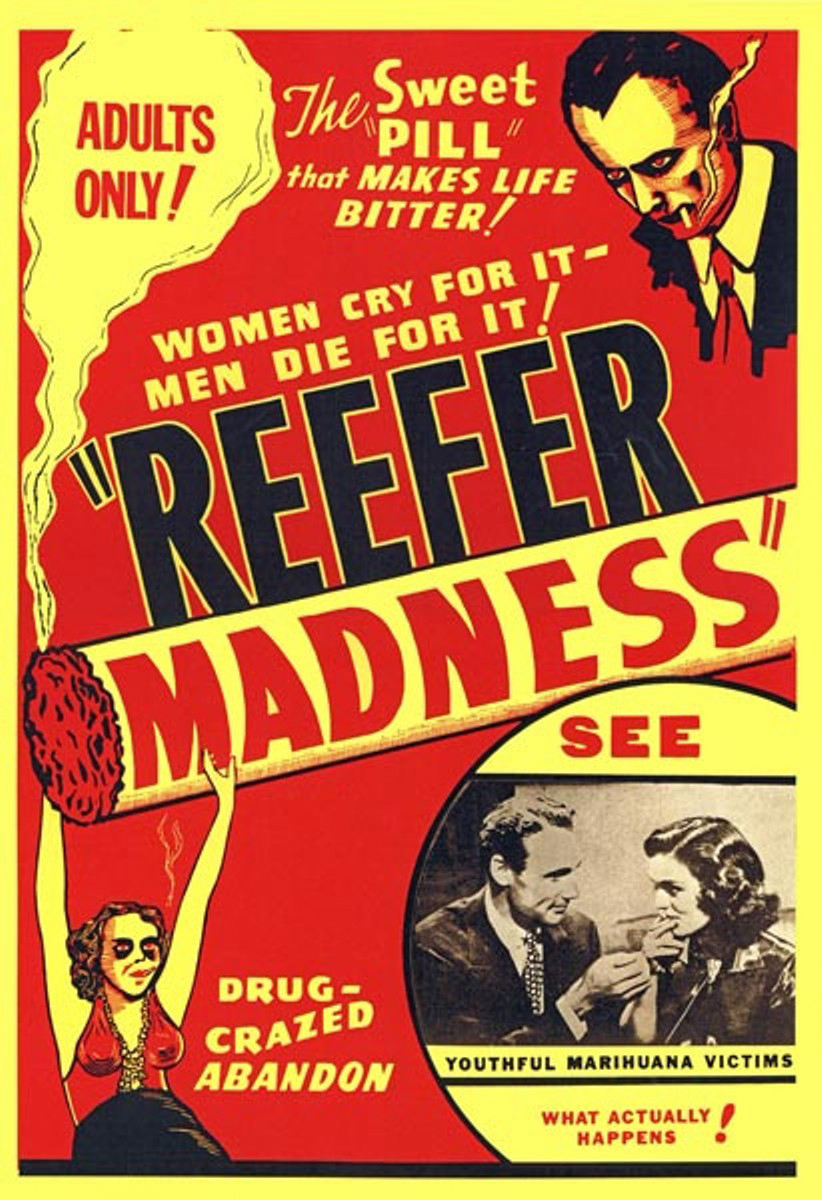
FIG. 1 · DATE UNKNOWN · PUBLIC DOMAIN IN THE U.S. (PUBLISHED WITHOUT COPYRIGHT NOTICE)
Safety at a Glance
Cannabis / THC
- Main risk
- Impaired memory, attention and judgement; dependence in some people [HEALTH-R01]
- Critical warning
- Children who swallow cannabis products; pregnancy and breastfeeding; mixing with alcohol or other drugs [HEALTH-R01]
- Lethal dose
- Fatal overdose from cannabis alone is unlikely, not impossible; no reliable threshold in the reviewed sources [HEALTH-R01]
A warning before the story
The film begins before its story does. According to the American Film Institute's catalogue, which transcribes its opening text, the picture announces a menace threatening young people and presents what follows as a warning grounded in research and fact FILM-R01. Then the fiction starts.
That opening is worth pausing on, because it is the film's real argument. A drama about invented teenagers claims the authority of evidence. This article has not watched the film; its account of that foreword relies on the AFI's catalogue description FILM-R01. But the move it describes, wrapping a story in the language of research, is the subject here.
The film offers a window onto an existing fear of cannabis. Fear of marijuana was already in American newspapers decades earlier, and federal law changed without any evidence, in the sources reviewed here, that this film played a part. What Reefer Madness offers is a clear case study. It shows how a dramatic drug story claims to speak for science, and how later audiences turned its meaning upside down.
What the film is, and when
The film is credited to the director Louis J. Gasnier FILM-R02; FILM-R03. The Australian Centre for the Moving Image (ACMI) lists George A. Hirliman as producer FILM-R02. Its cast includes Dave O'Brien, Lillian Miles, Thelma White, Carleton Young and Kenneth Craig FILM-R02; FILM-R03.
Its date and title history are less tidy than the posters suggest.
- The AFI catalogue lists it as Tell Your Children (1938). It records later releases as The Burning Question in 1939 and Reefer Madness in 1947 FILM-R01.
- The British Film Institute also dates it to 1938 FILM-R03.
- ACMI's record dates it to 1936 FILM-R02. It says the film was "originally titled 'The Burning Question' and then 'Tell Your Children'", which reverses the order in AFI's account FILM-R02.
These sources conflict, and this article does not settle the dispute. Release dates, production dates and reissue titles can all differ for a film like this, and the reissue history does not establish when it was made. Popular stories about who paid for it, or who re-cut it, were not found in any source checked for this article, so they are left out.
What the institutional descriptions agree on is the basic premise. BFI describes reckless teenagers from seemingly respectable families whose lives are upended when local dealers introduce them to "the reefer" FILM-R03. ACMI describes a young man's life becoming a nightmare, and singles out a frenzied piano solo as a highlight FILM-R02. Those are fictional events in a fictional story. Beyond them, this article does not describe scenes it has not verified.
The fear came first
The film did not invent the panic it dramatised. A Library of Congress research guide to its historic newspaper collection, Chronicling America, traces reports about marijuana in the American press from the late nineteenth century PRESS-R01.
The guide’s curators identify a recurring connection between alarming drug stories and anti-Mexican propaganda PRESS-R01. Its timeline includes allegations of drug-driven violence from 1897, a fanciful 1909 story about goats, and a 1915 report connecting Mexican armed groups with marijuana PRESS-R01.
These were press allegations, not established facts. This article has not read the original newspaper pages, only the Library of Congress's description of them PRESS-R01. They show what was being printed and how it was framed. They do not show that the crimes happened as described.
The same timeline shows that the story was never one-sided. In June 1915 the El Paso City Council passed an emergency ordinance against the sale of marijuana. The El Paso Herald also reported concern from local physicians and pharmacists, who noted that the drug was made by leading manufacturers and frequently prescribed as a sedative PRESS-R01. The ordinance took effect on June 14, 1915, with fines of up to two hundred dollars PRESS-R01.
So fear, prejudice, medical practice and local law were all in play years before the film. That does not mean every law or every person shared one motive.
A quotation this article will not use. One notorious racist remark is often attributed to Harry J. Anslinger. Penn State University Libraries, which holds his papers, says it cannot verify the quotation. The folder usually cited as its source does not contain it, and whether he wrote or said it is "currently unclear" ARCH-R01. So it is excluded here. Its absence does not erase the documented racialised rhetoric of the period, which the newspaper record above shows plainly enough.
The 1937 law: control through taxation
On August 2, 1937, Congress enacted what its own text calls the "Marihuana Tax Act of 1937" LAW-R01. It is easy to imagine it as a simple prohibition, but the statute worked differently.
Its formal title describes an act "to impose an occupational excise tax upon certain dealers in marihuana, to impose a transfer tax upon certain dealings in marihuana," and to protect that revenue "by registry and recording" LAW-R01. The Act worked in three ways:
- Registration and tax for dealers. The Act imposed registration and special occupational taxes on specified producers, dealers and practitioners, with exemptions LAW-R01.
- Written orders for transfers. Transfers generally had to be made on written order forms issued by the government, with a transfer tax LAW-R01.
- Penalties. Violations carried fines of up to $2,000, prison terms of up to five years, or both LAW-R01.
The Act took effect on the first day of the second month after the month in which it was enacted LAW-R01.
In other words, the federal government controlled marijuana through the tax system, with registration, paperwork and penalties. That is a different legal machine from today's controlled-substance schedules, and the 1937 statute is not itself a statement of current legal requirements. Nor do the sources here show that Reefer Madness, whatever its exact release year, influenced Congress.

FIG. 2 · 1937-08-02 · PUBLIC DOMAIN (U.S. FEDERAL STATUTE)
From warning to joke
BFI describes the film’s later reception as an underground classic: a warning reframed as camp entertainment FILM-R03. ACMI places it within low-budget exploitation cinema that presented sensational drama as public education FILM-R02.
These labels describe overlapping functions, rather than necessarily contradictory accounts. A film can use the form of a warning while selling sensational entertainment. Neither description, as inspected here, establishes government production.
What is clear is the reversal. A story built to frighten became, for later audiences, evidence of how silly the fear looked. The precise history of that revival, including popular claims about who revived it and when, is left out here, because it could not be verified from a readable primary source for this article.
Mocking the film does not make cannabis harmless
The joke can mislead, too. Laughing at the film's melodrama is not evidence that cannabis carries no risk. Two questions are being blurred: whether the film told the truth, and whether cannabis is safe.
The film's story is deterministic. In ACMI's description, films of this kind warned how one puff could lead clean-cut teenagers down a road to insanity and death FILM-R02. Current public-health guidance is different in kind, not just in tone. The Centers for Disease Control and Prevention says THC, the main intoxicating compound in cannabis, impairs thinking. Bad reactions can be severe and injuries can occur, and some people develop dependence HEALTH-R01. It also stresses that being legal is not the same as being safe HEALTH-R01.
That is a description of real risks that vary from person to person and situation to situation. It is not a prophecy. Evidence that harms are possible, or that they occur more often among some users, does not mean every user will suffer them, and correlations do not by themselves prove causes. The film collapsed all of that into a single moral story. Ridiculing the film does not make the real, variable risks disappear.
The public-health evidence reviewed here concerns impairment and other risks; it is not evidence for a cognitive-enhancement recommendation.
Where the law stands now
US federal law on marijuana is no longer a single sentence, and this article does not reduce it to one.
- Schedule I. The federal regulation still lists "marihuana" in Schedule I. That listing applies "unless specifically excepted or unless listed in another schedule" LAW-R02.
- Schedule III. A final rule effective April 28, 2026 placed certain categories in Schedule III. These are marijuana, marijuana extracts and naturally derived THC that are either in an FDA-approved drug product or subject to a state-issued medical marijuana licence LAW-R03; LAW-R02.
- Registration. The rule also set up an expedited registration process for holders of those state medical licences LAW-R03.
- Hemp is defined separately and excluded from these entries LAW-R02.
Read together, those texts mean that the federal schedule depends on the category of product. Scheduling is not FDA approval, and it does not grant unrestricted permission to use or sell. State laws differ. This article does not audit compliance requirements, litigation or later orders, and it offers no legal advice. These details should be rechecked before relying on them.
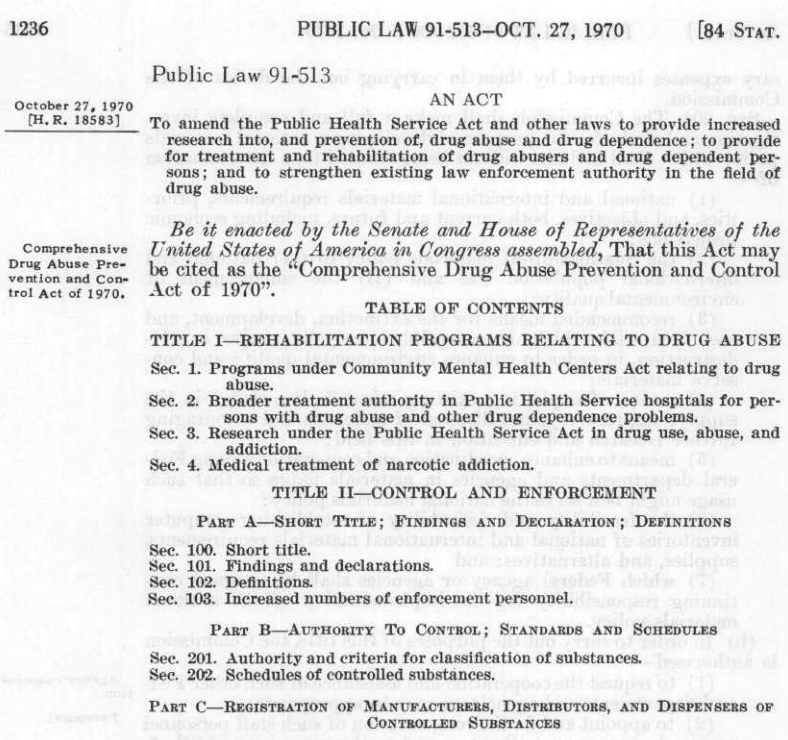
FIG. 3 · 1970-10-27 · PUBLIC DOMAIN (U.S. FEDERAL STATUTE)
Telling a story from evidence
Reefer Madness sits in a long line of attempts to show altered minds on screen and on the page. Our article on the 1943 discovery of LSD looks at a scientist's own account of a drug's effects. Our piece on Limitless looks at the opposite fantasy: a pill that makes you brilliant rather than mad. These are different ways of representing the mind. The sources here do not show that one influenced another.
What the film teaches, almost by accident, is how to spot a persuasive story dressed as evidence:
- Does it claim scientific authority before showing any? The film's opening did FILM-R01.
- Are its examples real cases, or invented ones?
- Does it present one outcome as inevitable for everyone?
- Are alarming reports attributed and checked, or simply repeated?
- Does it lean on prejudice about who uses a drug?
- And when the story collapses, does that prove the opposite, or only that the story was bad?
Fear of marijuana did not begin with this film, and laughing at the film does not end the questions it raised badly. Telling evidence from a good story is the useful skill.
Substance Status & Safety
United States federal status only. Checked October 31, 2026. Informational, not medical or legal advice. This section summarises specific sources; it is not a full clinical, toxicology or legal review.
Source access: Health statements were checked against the CDC FAQ by the editor. Claude’s access was blocked; the source ledger preserves that distinction.
Federal status (read together)
| Category | Federal status | Source |
|---|---|---|
| Marihuana generally | Schedule I (21 CFR 1308.11(d)(23)), "unless specifically excepted or unless listed in another schedule" | LAW-R02 |
| Marijuana, marijuana extract, or naturally derived delta-9-THC in an FDA-approved product | Schedule III (21 CFR 1308.13(g)(2)–(4)) | LAW-R02; LAW-R03 |
| Marijuana, marijuana extract, or naturally derived delta-9-THC subject to a state medical marijuana licence | Schedule III (same entries); expedited registration process for licensees | LAW-R02; LAW-R03 |
| Hemp (as defined in 7 U.S.C. 1639o) | Excluded from the naturally-derived-THC entry | LAW-R02 |
- Effective date: the 2026 final rule took effect April 28, 2026 LAW-R03.
- Scope limits: scheduling is not FDA approval. No individual cannabinoid product approval was audited. State-law, compliance, litigation and later-order questions are outside this review (issue #37).
- Historical status: from 1937, federal control was through a tax-and-registration statute (Marihuana Tax Act, enacted August 2, 1937) LAW-R01. That is a different legal mechanism from current scheduling.
Effects and risks (CDC; editor-read)
- THC is the main intoxicating compound in cannabis and can impair memory, attention, decision-making and risk-taking HEALTH-R01.
- Bad reactions can include severe confusion, anxiety or panic, paranoia, a fast heartbeat, hallucinations and severe nausea or vomiting. Impairment and severe reactions can contribute to injuries HEALTH-R01.
- Some people develop dependence HEALTH-R01.
- Combining cannabis with alcohol or other substances can add risk HEALTH-R01.
- CDC advises avoiding cannabis during breastfeeding and warns that use during pregnancy or breastfeeding may harm the baby HEALTH-R01.
- Children who swallow cannabis products are at risk of poisoning HEALTH-R01.
- Legal status does not make a product safe HEALTH-R01.
These are general, variable risks, not certain outcomes, and correlation alone does not establish causation. This section does not rank routes of use and offers no dose, timing or treatment guidance. Cannabis may change how prescription drugs work; discuss possible interactions with a clinician or pharmacist HEALTH-R01.
Lethal-dose evidence and its limits
CDC describes a fatal overdose from cannabis alone as unlikely HEALTH-R01. That is not the same as impossible, and it is not evidence of harmlessness: serious harm can come from impairment (for example injuries), severe reactions and mixtures with other substances. The sources reviewed establish no reliable universal human lethal threshold, and this article gives none. Animal toxicity figures are not human thresholds.
When to get help
-
Severe confusion, panic, hallucinations, a racing heart or severe vomiting can signal a bad reaction; seek Poison Control advice HEALTH-R01.
-
Call 911 if someone collapses, has a seizure, has trouble breathing or can't be awakened HELP-N01.
-
Poison Control (US): 1-800-222-1222, free and confidential. Call for any suspected poisoning, including a child who may have swallowed a cannabis product HELP-N01.
Sources & Further Reading
- FILM-R01 American Film Institute. AFI Catalog: Tell Your Children (1938), entry 7885. https://catalog.afi.com/Catalog/moviedetails/7885 (editor-read; did not load for Claude).
- FILM-R02 Australian Centre for the Moving Image (ACMI). Collection record: Reefer madness (identifier 306958). https://www.acmi.net.au/works/85559--reefer-madness/
- FILM-R03 British Film Institute. BFI Player: Reefer Madness. https://player.bfi.org.uk/subscription/film/watch-reefer-madness-1938-online (public description only).
- PRESS-R01 Library of Congress. "Marihuana: Topics in Chronicling America" (research guide, last updated June 12, 2025). https://guides.loc.gov/chronicling-america-marihuana
- ARCH-R01 Bainbridge A. Penn State University Libraries, Ask a Librarian: source for the Harry Anslinger quote beginning "There are 100,000 total marijuana smokers…" (updated August 7, 2026). https://psu.libanswers.com/faq/391108
- LAW-R01 Marihuana Tax Act of 1937, ch. 553, 50 Stat. 551 (August 2, 1937). https://www.govinfo.gov/content/pkg/STATUTE-50/pdf/STATUTE-50-Pg551-2.pdf
- LAW-R02 21 CFR 1308.11(d) (Schedule I) and 1308.13(g) (Schedule III). eCFR: https://www.ecfr.gov/current/title-21/chapter-II/part-1308/section-1308.11 and https://www.ecfr.gov/current/title-21/chapter-II/part-1308/section-1308.13
- LAW-R03 Drug Enforcement Administration / Department of Justice. Final rule, 91 FR 22714 (April 28, 2026), FR Doc. 2026-08176. https://www.govinfo.gov/content/pkg/FR-2026-04-28/html/2026-08176.htm
- HEALTH-R01 Centers for Disease Control and Prevention. "Cannabis Frequently Asked Questions" (January 31, 2025). https://www.cdc.gov/cannabis/faq/ (editor-read; returned an access error for Claude).
- HELP-N01 National Capital Poison Center (Poison Control). "First Aid Guidelines." https://www.poison.org/first-aid-for-poisonings