EVENT / 1972 / MIND
The Birth of Nootropics
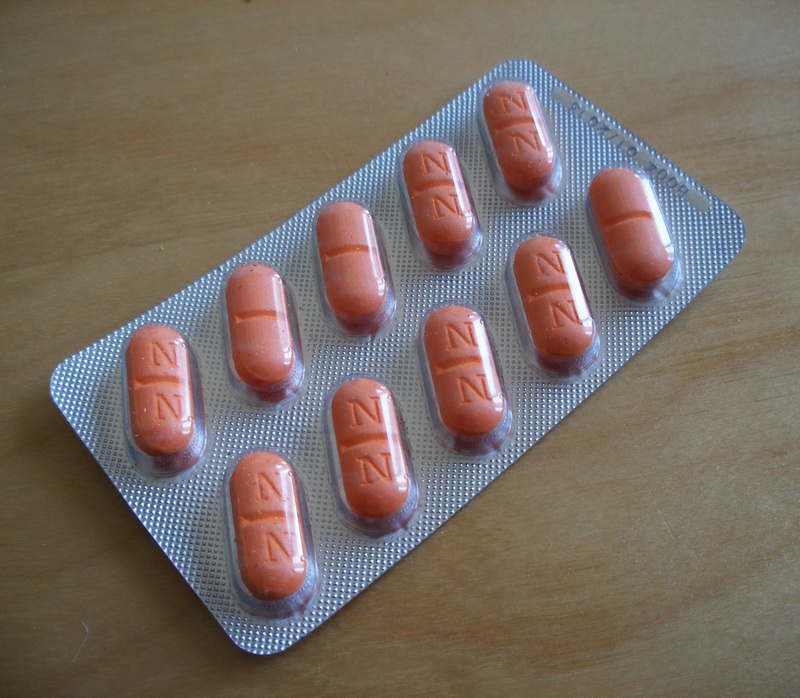
FIG. 1 · 2009 · CC BY 2.0
Safety at a Glance
Piracetam
- Main risk
- Bleeding, especially with blood thinners, antiplatelets or surgery [LABEL-N01]
- Nootropil warning
- Not for severe kidney impairment, brain bleeding or Huntington's chorea; abrupt stopping may trigger seizures in some myoclonus patients [LABEL-N01]
- Human lethal dose
- No reliable threshold established in the reviewed sources. Not harmless [LABEL-N01]
A word for a hope
In 1972, Cornelius E. Giurgea published a paper with an ambitious title. In English translation it reads "Pharmacology of integrative activity of the brain. Attempt at nootropic concept in psychopharmacology" ORIG-N01. A year later he published a related paper on "the 'nootropic' approach to the pharmacology of the integrative activity of the brain" ORIG-N02.
The word he put forward has outlived both papers. A 2022 review in the journal Nutrients traces the term "nootropic" to Giurgea in 1972/1973, used to describe substances that primarily activate cognitive functions such as memory and learning, especially where those functions are impaired HIST-N01. The name joins two Greek words: nöos, meaning thinking, and tropein, meaning to guide HIST-N01.
That makes 1972 an unusual kind of milestone. The milestone documented here is a published pharmacological proposal, rather than evidence of a drug’s synthesis or proof of improved intelligence. What appeared was a concept: the proposal that a class of drugs might act on the mind's higher functions, and that pharmacology could study them as a group. It was a name for a hope. The history since then is largely the story of how hard that hope has been to test.
What a name can and cannot do
Naming a category is a scientific act. It tells researchers what to look for and how to compare what they find. But a name is not evidence. Calling a substance "nootropic" describes what it is meant to do, not what it has been shown to do.
Half a century later, the label has become broader and looser. The 2022 review describes nootropics, also called "smart drugs," as a heterogeneous group of compounds, and notes that there is no uniform approach to categorising them HIST-N01. Some researchers separate "classical" nootropics from substances said to boost brain metabolism. Others merge the two, or avoid the word altogether and speak of "cognitive effects" HIST-N01.
This matters for readers more than it might seem. A single word now covers substances with different chemistry, different evidence, different legal statuses and different risks. Knowing that something is sold as a "nootropic" tells you very little about whether it works, what it does in the body, or how safe it is.
Piracetam illustrates the distinction between a nootropic classification and evidence for a particular use. Even its official classification shows how the name travelled. The UK prescribing information for Nootropil, a piracetam product, lists it under the pharmacological group "Nootropics" LABEL-N01. Yet the use for which that UK product is licensed has nothing to do with sharpening memory, as we will see. When piracetam was first made, and exactly how its early history relates to Giurgea's papers, are separate historical questions.
Measuring memory
To claim that a drug improves memory, you first have to measure memory. That is harder than it sounds.
Laboratory tests can measure narrow things well: how many words from a list a person recalls, how fast they learn a sequence, how an animal performs in a maze. What such tests cannot do on their own is tell you whether a drug makes someone generally more intelligent, better at their job, or better at remembering what matters in daily life. A change in one task, on one day, under laboratory conditions, is a small piece of a much larger question.
An early test of piracetam in healthy people shows both the appeal and the limits. In 1976, S. J. Dimond and E. M. Brouwers published a short study in Psychopharmacology under a striking title: "Increase in the power of human memory in normal man through the use of drugs" TRIAL-N01. According to the study's abstract, piracetam had been reported to help learning in animals, so the researchers gave it to healthy volunteers in what the authors described as a double-blind study. The volunteers learned series of words. The abstract reports no effect at an earlier test, but a significant increase in verbal learning at a later one TRIAL-N01.
That reported finding captures the appeal of a memory-enhancing drug, but the available abstract gives only a limited view of the experiment. The study's published abstract does not report how many people took part or how large the effect was. It measured one kind of learning, over a short period, in a laboratory. It does not show that the effect lasts, that it improves thinking in general, or that it holds for everyone. Nor does it say anything about safety over the long term.
The abstract also points to a familiar step in this kind of research: the move from animals to people. Piracetam was tested in volunteers because it had been reported to help learning in animals TRIAL-N01. Animal learning tasks can suggest that a substance deserves human study, but they cannot show what it will do for a person's memory, let alone their judgement or creativity.
The 2022 review notes that there have been few studies on healthy young people, and that the long-term effects of nootropics in healthy individuals are still unknown HIST-N01. That was the review authors’ assessment in 2022, not a comprehensive survey of evidence available today.
Treating impairment is not the same as enhancing health
Giurgea's concept, as the 2022 review summarises it, emphasised activating cognitive function especially where it is impaired HIST-N01. That distinction between restoring what illness has taken and improving what is already working well runs through the whole history of this field, and it is easy to lose.
The Cochrane Collaboration, which produces systematic reviews of medical evidence, examined piracetam for dementia and cognitive impairment. The authors' conclusion was blunt. Published evidence does not support using piracetam to treat people with dementia or cognitive impairment. There were effects on a "global impression of change," a broad judgement of whether a patient seemed better, but no benefit on the more specific measures of cognitive function. The authors called for further evaluation EVID-N01.
They also described why the evidence was so hard to judge. Results varied between studies. Data from many studies could not be used in the way the authors needed. And the authors identified another review, by employees and consultants of the manufacturer, that drew on unpublished studies not made available to them EVID-N01. Missing and unshared data make it hard for anyone outside a company to judge how well a drug works.
One caution about dates. The Cochrane page gives a citation from April 2001 but reports a literature search carried out in December 2011 EVID-N01. The public page does not make clear how these fit together, so the review should not be read as a current assessment.
The key point is the population. The Cochrane review asked whether piracetam helps people with dementia or cognitive impairment. It did not ask whether piracetam makes healthy people sharper. Evidence about treating illness, whether positive or negative, cannot simply be transferred to claims about enhancement.
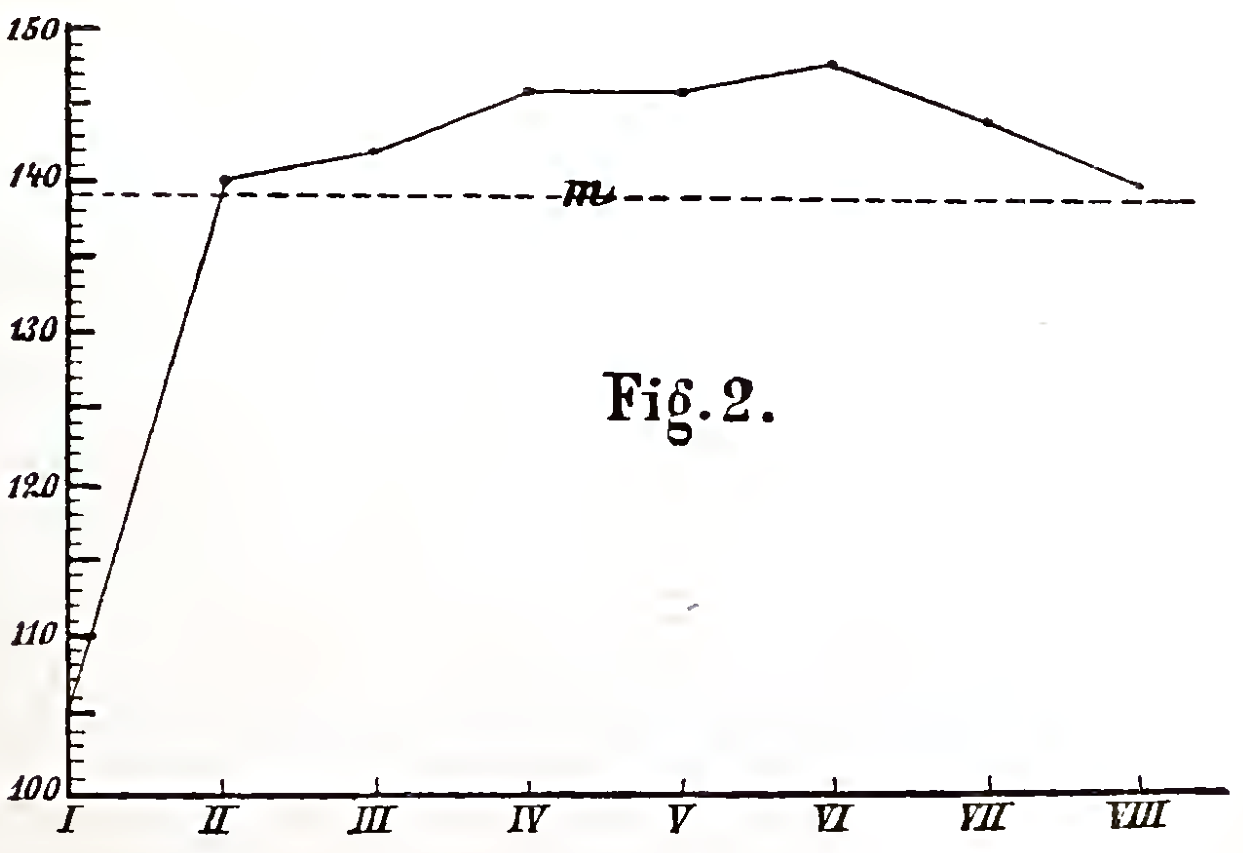
FIG. 2 · 1885 · PUBLIC DOMAIN
What piracetam is actually licensed for
Here the gap between the name and the medicine becomes clearest. In the United Kingdom, Nootropil is a prescription-only medicine. Its licensed use is for adults with myoclonus of cortical origin, a condition involving sudden involuntary muscle jerks arising from the brain's cortex. It is to be used together with other anti-myoclonic treatments LABEL-N01. The listed indication for this product does not include improving memory or intelligence.
How does piracetam work in that condition? The label is candid: its mode of action in cortical myoclonus "is as yet unknown" LABEL-N01. The 2022 review discusses proposed metabolic and blood-flow effects across the nootropic category HIST-N01. But a list of laboratory hypotheses is not the same as a demonstrated way in which a drug improves human memory, and for piracetam that link remains unestablished in the evidence described here.
The label also describes measurable effects on blood. Piracetam reduces how readily platelets clump together, and in studies it prolonged bleeding time LABEL-N01. That is one reason for some of its most important precautions.
One label, many legal categories
A nootropic claim does not tell readers whether a product is a prescription medicine, a supplement or something else. U.S. dietary supplements, for example, follow a different framework from prescription medicines. The U.S. Food and Drug Administration explains that it does not have the authority to approve dietary supplements for safety and effectiveness, or to approve their labelling, before they are sold REG-N01. Companies are responsible for ensuring their products meet safety standards. And a product intended to treat, prevent, cure or relieve the symptoms of a disease is generally a drug, even if it is labelled as a supplement REG-N01.
That general framework is important context, but it does not answer a specific question: what is piracetam's own legal status in the United States? Whether it is an approved drug, a lawful supplement ingredient, or neither, and how it is treated on import, are questions the FDA's general guidance on supplements does not answer. What it does make clear is that a product's presence on a shelf, or a confident label, is not evidence that it works or that regulators have checked it.
The FDA also warns that many supplements contain ingredients with strong effects in the body. Some can interact with medications, interfere with laboratory tests, or have dangerous effects during surgery, and the agency advises talking with a health professional about benefits and risks before taking one REG-N01. For a substance such as piracetam, whose UK label already flags bleeding risks around surgery and with blood-thinning drugs LABEL-N01, that general warning has a specific edge.
Better brains, carefully
Cheating to Win is a history of people trying to extend what humans can do. Giurgea's word belongs in that history because it named, in pharmacological terms, one of the oldest of those ambitions: a better mind.
But the history of the nootropic idea is also a lesson in how ambition and evidence can drift apart. The concept was framed largely around restoring impaired function. The early healthy-volunteer study discussed here measured one narrow kind of learning. A major review found no reliable benefit on specific cognitive measures in people with dementia. And the UK Nootropil product reviewed here is licensed for a movement disorder, with a mechanism its own label calls unknown.
None of that makes the question uninteresting. It makes it harder, and more worth asking carefully. A name can point research in a direction. It cannot, by itself, make anyone smarter, or safe.
FIG. 3 · 1913 · PUBLIC DOMAIN (1913 PUBLICATION)
Substance Status & Safety
Piracetam. Checked October 31, 2026. UK status from the Nootropil Summary of Product Characteristics (text revised July 2025); U.S. status not verified. Historical and informational; not medical advice.
Legal and regulatory status
- United Kingdom: Nootropil (piracetam) is a prescription-only medicine, indicated for adults with myoclonus of cortical origin, irrespective of cause, in combination with other anti-myoclonic therapies LABEL-N01. This is not a licence for memory or cognitive enhancement.
- United States: piracetam's product approval, dietary-ingredient legality, controlled-substance status and import status are not verified in the sources reviewed. The FDA's general dietary-supplement rules (no pre-market approval of supplements for safety and effectiveness; disease-treatment claims bring drug rules into play) do not establish piracetam's status REG-N01. Nothing here implies FDA approval, or ordinary U.S. "off-label" prescribing.
- "Nootropics" as a group have no single legal status. The term covers a heterogeneous set of substances HIST-N01.
Evidence, in context
- Mechanism: the UK label states that piracetam's mode of action in cortical myoclonus is unknown LABEL-N01. Proposed mechanisms in reviews are not established ways it improves human memory HIST-N01.
- Healthy volunteers: a 1976 double-blind study reported improved verbal learning at a later test but not an earlier one; only its abstract was examined, and it does not establish general or lasting enhancement TRIAL-N01.
- Dementia and cognitive impairment: the Cochrane review's accessible summary finds that published evidence does not support clinical use. Global impressions improved, but specific cognitive measures did not, with heterogeneous and missing data. The page's citation (2001) and search (2011) dates are unreconciled EVID-N01.
Main risks and cautions (from the UK label; product- and patient-specific context)
-
Should not be used by people with severe kidney impairment, a brain haemorrhage or Huntington's chorea, or with hypersensitivity to piracetam or related pyrrolidone derivatives LABEL-N01, §4.3.
-
Kidneys: piracetam is eliminated through the kidneys, so care is needed with kidney impairment, including regular monitoring in older people on long-term treatment LABEL-N01, §4.4.
-
Bleeding: because it affects platelet clumping, caution is advised for:
- people with severe bleeding or a risk of bleeding, such as stomach ulcers
- blood-clotting disorders, or a history of haemorrhagic stroke
- major surgery, including dental surgery
- those taking anticoagulants or antiplatelet drugs, including low-dose aspirin
-
Stopping treatment: abrupt discontinuation may cause myoclonic or generalised seizures in some myoclonic patients LABEL-N01, §4.4. Any change in a prescribed treatment is a matter for the prescriber; no tapering advice is given here.
-
Interactions: confusion, irritability and sleep disorder have been reported with thyroid extract (T3 + T4) LABEL-N01, §4.5. This is not an exhaustive interaction review.
-
Reported side effects: nervousness, hyperkinesia (excessive movement), drowsiness, depression, agitation, anxiety, confusion, hallucinations, headache, insomnia, bleeding disorders and allergic reactions, among others listed LABEL-N01, §4.8. The label also advises caution about driving LABEL-N01, §4.7.
-
Pregnancy and breastfeeding: the label advises against use in pregnancy unless clearly necessary. Piracetam passes into breast milk; the label calls for weighing the benefits of breastfeeding and treatment when deciding which to discontinue. That is a clinical decision, not a self-directed change LABEL-N01, §4.6.
Lethal-dose evidence: no reliable human lethal-dose threshold is established in the sources reviewed. Reported high-intake cases and animal data are not human safety limits, and none are reproduced here. This is a statement about the limits of the evidence examined, not a full toxicology review, and not a finding that piracetam is harmless.
If you or someone else may have been exposed
- U.S. Poison Control: 1-800-222-1222 (free and confidential), or the web POISON CONTROL tool. If the person collapses, has a seizure, has trouble breathing or can't be awakened, call 911 HELP-N01.
Sources & Further Reading
- HIST-N01 Malík M, Tlustoš P. "Nootropics as Cognitive Enhancers: Types, Dosage and Side Effects of Smart Drugs." Nutrients 14(16):3367 (2022). https://doi.org/10.3390/nu14163367 (Opening history and definitions only.)
- LABEL-N01 ADVANZ Pharma. Nootropil 1200 mg film-coated tablets, Summary of Product Characteristics (UK), text revised July 2025. https://www.medicines.org.uk/emc/product/101131/smpc
- EVID-N01 Flicker L, Grimley Evans J. "Piracetam for dementia or cognitive impairment." Cochrane Database of Systematic Reviews, CD001011. Public evidence page: https://www.cochrane.org/evidence/CD001011_piracetam-dementia-or-cognitive-impairment (Summary and abstract only; citation 2001, search date 2011, unreconciled.)
- TRIAL-N01 Dimond SJ, Brouwers EM. "Increase in the power of human memory in normal man through the use of drugs." Psychopharmacology 49:307–309 (1976). https://doi.org/10.1007/BF00426834 (Abstract only.)
- REG-N01 U.S. Food and Drug Administration. "FDA 101: Dietary Supplements." https://www.fda.gov/consumers/consumer-updates/fda-101-dietary-supplements
- HELP-N01 National Capital Poison Center. Poison Control. https://www.poison.org/
- Original papers (cited from bibliographic records; texts not read):
- Giurgea C. "[Pharmacology of integrative activity of the brain. Attempt at nootropic concept in psychopharmacology]." Actual Pharmacol (Paris) 25 (1972). PMID 4541214. ORIG-N01
- Giurgea C. "The 'nootropic' approach to the pharmacology of the integrative activity of the brain." (1973). https://doi.org/10.1007/BF03000311 ORIG-N02